

A letter dated June 25, 2025 is raising serious questions about what Cleveland City Hall knew — and when they knew it — about the $1.6 billion data center proposal that rocked this city. This is Part of the Strategic Moves Data Centers Series. Based on reporting by Sean McDonnell, cleveland.com, published July 2, 2026.
The city gave a developer the green light to bring a hyperscale data center to Cleveland — a full year before they told you they were surprised.
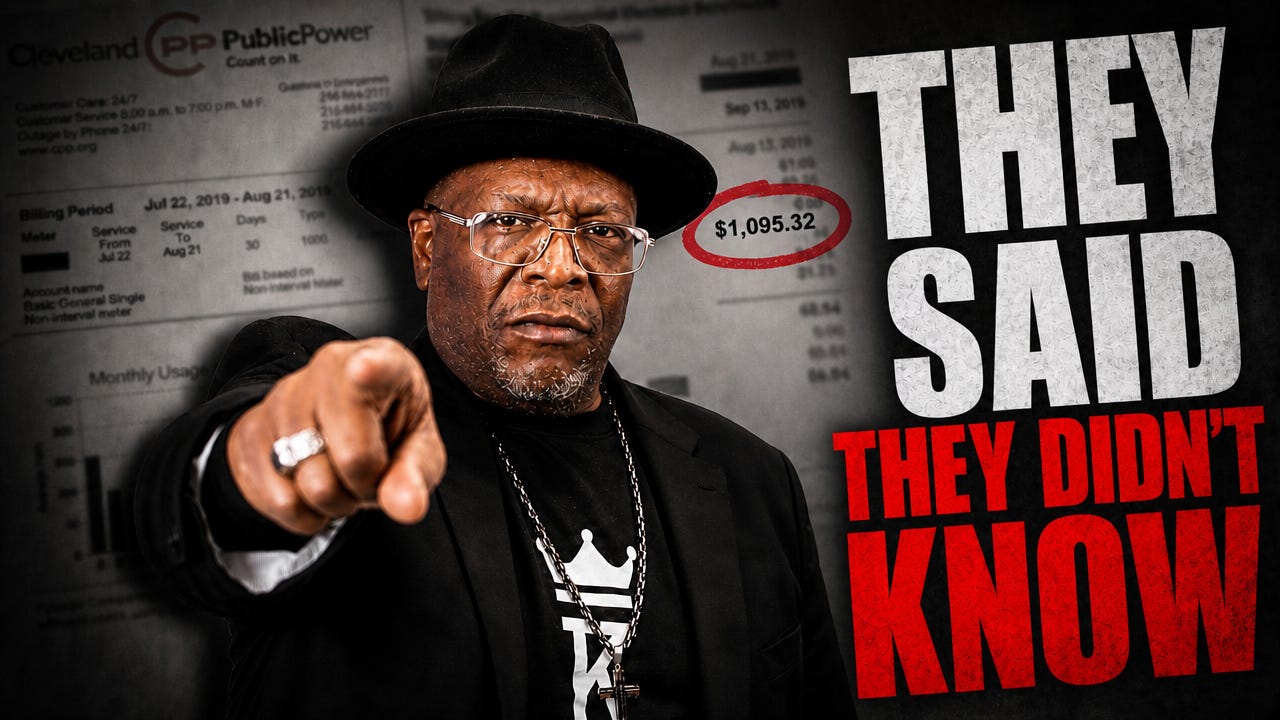
This is Kenn Dowell. Cleveland born. Glenville raised. And never afraid to say what needs to be said.
On June 25, 2025 — exactly one year before Cleveland City Council voted on a moratorium — Cleveland Public Power Commissioner Ammon Danielson signed a letter.
That letter went to Lakeland Equity Group. The same company behind the $1.6 billion data center proposal that supposedly caught City Hall off guard.
The letter told Lakeland they could use it to pitch major national data center operators. It said CPP was willing to provide up to 125 megawatts of power if a data center came to Cleveland.
One hundred and twenty-five megawatts. Nearly half of CPP’s entire 300-megawatt system. Offered in writing. To one developer.
That is not a courtesy note. That is a statement of intent.
Now Here Is Where It Gets Interesting.
Council member Brian Kazy — the same man who chaired the June 25 moratorium hearing — confirmed that he and city officials met with Lakeland before that letter was even sent.
His words. Not mine.
“The administration definitely knew a multi-megawatt data center was being planned for the city.”
Lakeland went further. The company says city officials have known about the Slavic Village site specifically since October. October 2025. Seven months before the permit hit the public portal and Cleveland found out.
Lakeland also says it reviewed commercial sites across Cleveland with city cooperation. That officials met with them frequently. That there was a shared intent to work together from the beginning.
Let me say that again slowly.
Shared intent. Frequent meetings. City cooperation. Since at least June 2025.
Now Go Back to What Mayor Bibb Said.
May 27, 2026. City Club of Cleveland. On camera.
“When you come at the last minute and want to propose a hyperscale standalone facility without talking to residents, without engaging in thoughtful conversation with the administration — that’s a problem.”
Last minute.
Without talking to the administration.
The CPP commissioner offered power in writing a year before that statement. Kazy confirmed the meetings happened. Lakeland says they were in frequent contact throughout.
Here is the thing. Either the mayor did not know what his own CPP commissioner was doing. Or he knew and chose a different story for the public.
Neither one is a good answer.
What CPP Is Trying to Do Right Now.
After this letter became public today, CPP put out a statement calling it a technical document. Just about grid capacity. Not an endorsement from the city.
Two independent experts pushed back immediately.
Matt Brakey — who heads energy management firm Brakey Energy — said CPP would not cite a load that size without doing its due diligence. You do not put 125 megawatts in a letter without knowing what you are doing.
Eric Chaffee — co-director of the Center for Business Law at Case Western Reserve University — said letters like this are agreements to work toward an agreement. Not legally binding. But important in the business world.
Now CPP wants to call it nothing.
Pay attention to that move. When an institution tries to minimize its own documented actions — that tells you everything about what those actions actually meant.
This Is the Pattern the County Warned About.
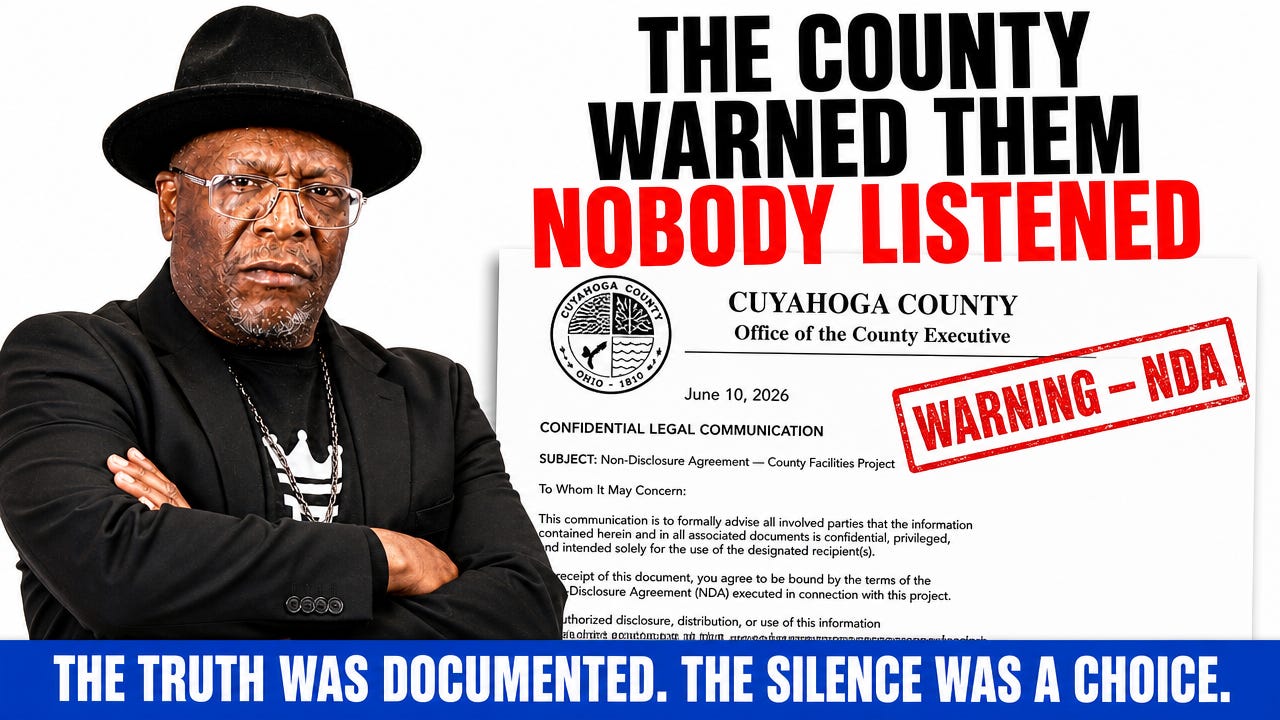
Cuyahoga County released its Data Center Development Guide on June 10, 2026. It specifically warned local officials not to sign nondisclosure agreements with data center developers. The reason — developers use private agreements to keep communities in the dark while negotiations move forward.
No NDA was needed here. The result was the same.
Lakeland and city officials met for over a year. They reviewed sites together. CPP offered power in writing. The Slavic Village site was identified months before the public knew anything. And Cleveland residents found out when a permit appeared in an online portal in May 2026.
That is not transparency. That is a managed process where the community is always the last to know.
The Questions That Need Answers. On the Record.
Mayor Bibb — your CPP commissioner offered 125 megawatts in writing to a developer a full year before you told Cleveland you were caught off guard. Kazy confirmed the administration knew. So answer this directly. Who in your administration knew about this letter. When did you know. And why did you tell Cleveland you were surprised.
Commissioner Danielson — your name is on that letter. You do not get to let CPP call it a technical document and disappear. What did you know about Lakeland’s full plans when you signed it. What changed between June 2025 and May 2026.
Brian Kazy — you confirmed the meetings on the record today. You confirmed the administration knew. You then chaired four hours of public testimony on June 25, 2026 without surfacing any of this. The people in that room deserved to know it. Why didn’t they.
These are not gotcha questions. They are the minimum that Cleveland residents deserve answered before this working group produces a single word of zoning language.
Here Is What This Does Not Change.
This letter does not settle whether data centers are good or bad for Cleveland. That debate is still open. The moratorium is still running. September 14 is still the deadline.
What this changes is simpler.
It changes whether Cleveland residents can trust what their government tells them about what is happening in their own city.
A community that finds out about a $1.6 billion project through a permit portal — after city officials and a developer have been meeting frequently for over a year — is not a community with a seat at the table.
It is a community being managed.
That is not a data center problem. That is a democracy problem.
This Is Why This Series Exists.
Part 1 asked whether Cleveland could learn to say yes on its own terms.
Part 2 named every player who owns the next 90 days and demanded they produce something real.
This post is what happens when the paper trail catches up to the press conference.
The moratorium is running. The working group is meeting. And now we know the whole city was not starting from the same place on June 25.
Some people had a head start. And the rest of Cleveland is just finding out.
Stay with this series. Because we are just getting started.
— Kenn Dowell, Strategic Moves Media Network
This post is based on reporting by Sean McDonnell, cleveland.com, published July 2, 2026.
Subscribe at kenndowell.substack.com. Drop your question below — what do you want Mayor Bibb to answer first?
How exactly would this power be paid for — by whom?
Thanks for investigating. Is it strange the media who reads these docs continually didn't give us a heads up a year ago? Now, investigate this: if city & state officials blew up our power generation, how can CPP provide anything? We need to elect ppl who aren't foolish to destroy CLE opportunity and act like they want to do something they won't do. CPP cant generate and our govt officials let the city go without a power source. Didn't the city imprison the last batch of crooked elected officials? 🤔 please, will you "follow the money" for us? Why would they hate the tax-payers and love expensive alien power companies?